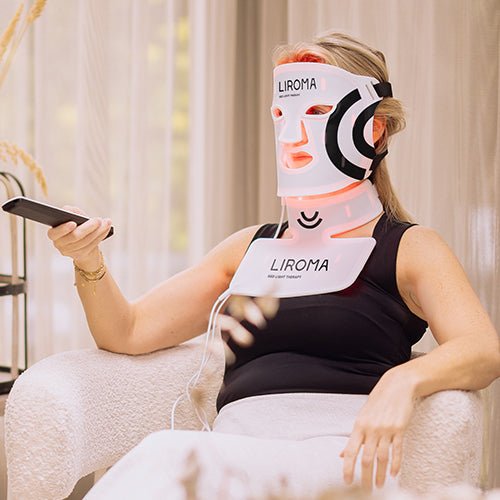
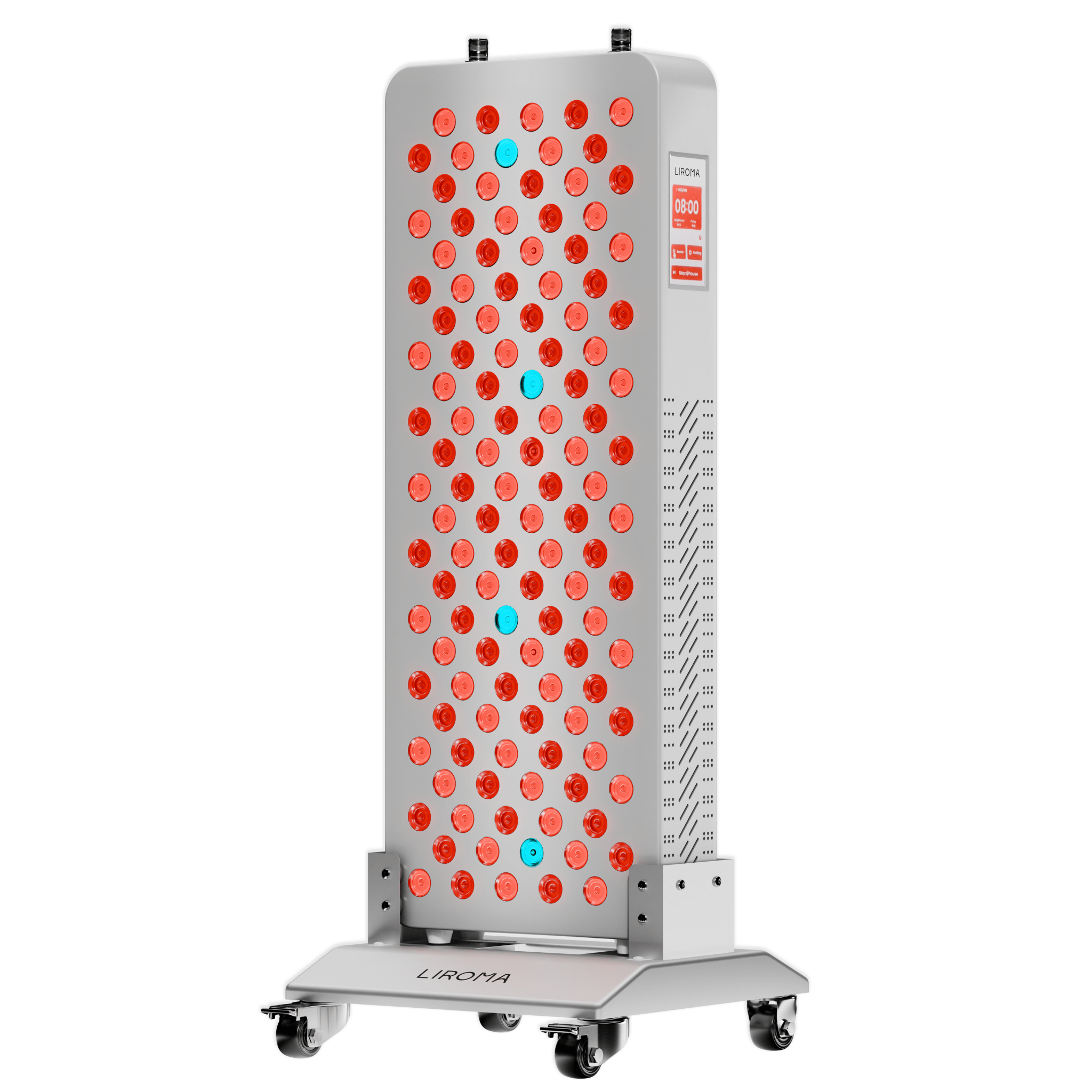
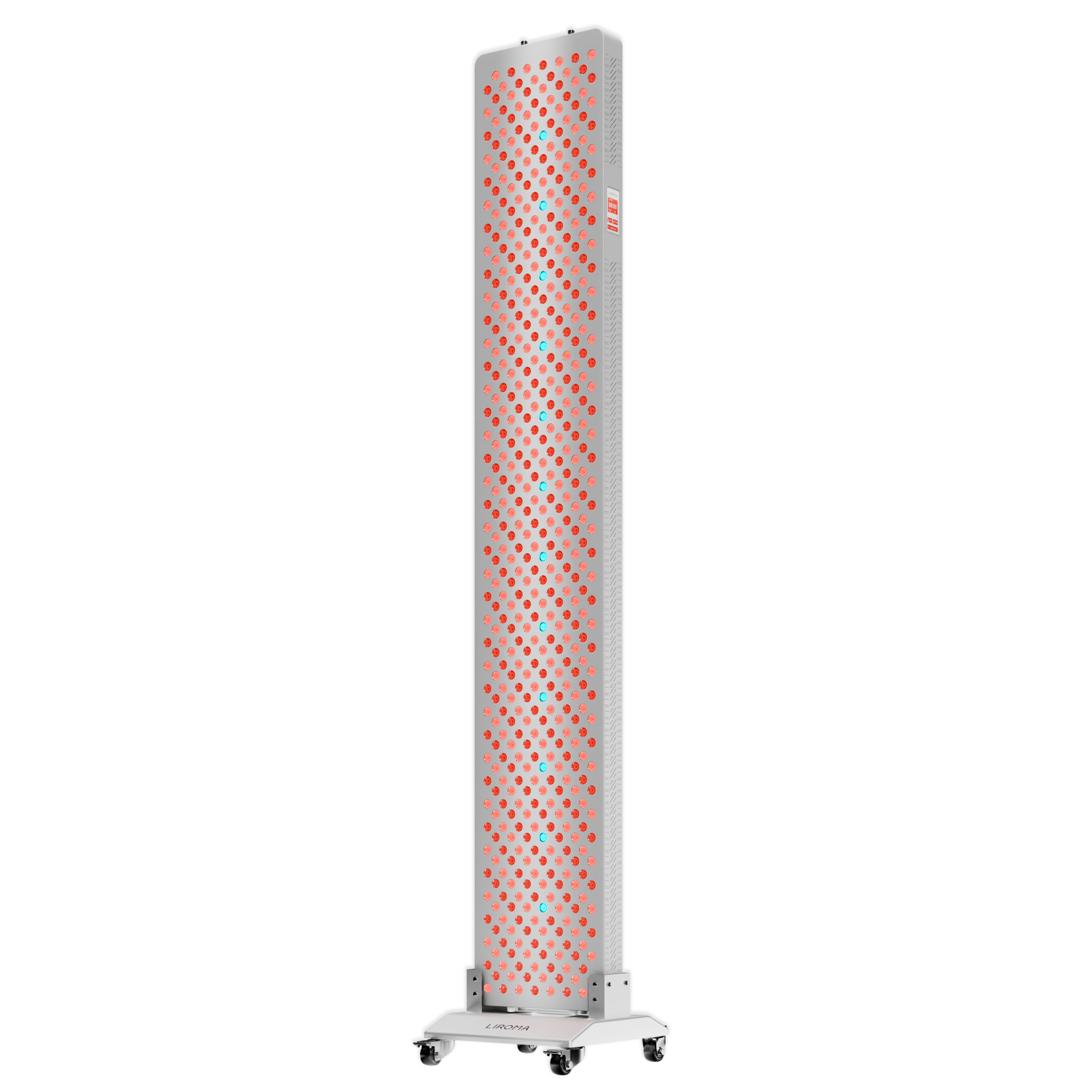
Light therapy is increasingly used as a natural way to support various skin concerns. It’s a non-invasive method where red and infrared light penetrates deep into the skin. But which skin conditions can truly benefit from this type of treatment?
Please note: This text is not intended as medical advice. It’s based on our own experience, user feedback, and various online sources. Always consult a medical professional for any skin condition.
Table of contents
Wound Healing
Red light therapy for wound healing is often used to support the skin's natural recovery process. It stimulates the mitochondria in your cells to produce more ATP (cellular energy) – essential for cell renewal and repair. This increased energy production can result in faster healing times.
Red light also improves blood flow and microcirculation around the wound, ensuring better delivery of oxygen, nutrients and immune cells to the area. This helps the wound close faster and may reduce the risk of infection.
Together, these effects make red light therapy a valuable addition for treating minor skin damage like cuts, scrapes or post-surgical scars.
Stretch Marks
Stretch marks appear when the skin stretches too quickly, causing small tears in the connective tissue. Light therapy for skin conditions such as striae can help by supporting skin elasticity and gradually reducing their visibility.
It stimulates the natural production of collagen and elastin – two essential proteins for firm and resilient skin. While it’s not a miracle cure, many users report smoother skin texture over time with regular use.
Age Spots
Age spots, also known as sun spots, often result from UV damage and ageing. Red light therapy can support the skin on multiple levels. The light is absorbed by the mitochondria, boosting the production of ATP, which helps skin cells regenerate and repair more efficiently.
It also improves microcirculation, enhancing the delivery of oxygen and nutrients, resulting in a healthier complexion and more even skin tone.
Additionally, red light therapy provides a natural collagen boost, helping to plump the skin from within and reduce fine lines. The stimulation of elastin gives the skin back its firmness and elasticity, which may reduce sagging. This combination of effects makes red light therapy a popular choice for reducing visible signs of ageing, including age spots in the face.

Rosacea
Rosacea is a chronic skin condition that causes redness, visible blood vessels, and sometimes bumps or pimples. Light therapy for rosacea can help soothe the skin and reduce inflammation – a key factor in all rosacea subtypes.
Because of its anti-inflammatory properties, red light therapy may help reduce visible redness and calm irritation. While results vary from person to person, many users report relief with consistent use. It’s a gentle, non-invasive option that can fit well into your broader skincare routine.
Eczema
Eczema is often accompanied by dryness, itchiness, and irritation. Light therapy for eczema may help by soothing the skin and reducing inflammation.
Key benefits include:
- Improved skin hydration
- Reduced redness and itching
- Support for the skin barrier
Important: Light therapy is not a replacement for medical treatment. Always consult a healthcare provider for moderate to severe eczema.
Scars
Red light therapy for scars is used to support skin repair, whether the scars are new or old. During early wound healing, red light stimulates fibroblasts to produce type 3 collagen, which is vital for creating healthy, flexible tissue.
Red light therapy also helps regulate inflammation, which can reduce the risk of excessive collagen production – particularly relevant in cases of hypertrophic scars or keloids.

Sun Damage
Prolonged sun exposure can damage the skin, causing fine lines, pigmentation, redness, and dullness. Red light therapy is often used to activate skin repair after UV exposure. It may help:
- Reduce redness
- Boost collagen production for firmer skin
- Restore a more youthful appearance
Red light also improves microcirculation, increasing the delivery of oxygen and nutrients so the skin can repair itself more efficiently.
Alopecia
Alopecia is the medical term for hair loss. While causes vary, red light therapy has gained attention as a possible supportive treatment for hair growth. By stimulating the scalp and improving blood flow to the hair follicles, red light may help promote healthier hair growth, especially in the early stages of hair thinning.
Please note: Results depend on the cause of hair loss. Red light cannot regenerate hair in areas where follicles are permanently inactive, but it may help support a healthy growth cycle.
Acne
Acne is a common skin condition caused by clogged pores, bacteria, and inflammation. A red light therapy acne treatment focuses on reducing inflammation and supporting the skin’s natural healing process.
Red light’s anti-inflammatory effect can help reduce redness and swelling around acne lesions. It also stimulates blood circulation, improving the supply of oxygen and nutrients, which speeds up skin recovery.
With regular use, many users notice:
- Fewer active breakouts
- Calmer, less irritated skin
- Faster healing of blemishes
Light Therapy as a Supportive Skin Treatment
Light therapy is a gentle, non-invasive method that may help support a variety of skin conditions on the body naturally. Think of:

Keep in mind: Light therapy is not a medical cure. Always consult a doctor for severe or ongoing skin concerns. However, as an additional tool in your skincare routine, red light therapy can offer noticeable support and benefits over time.